
Cats are playful and adventurous creatures, but their curiosity often leads to minor injuries. Whether from fights, sharp objects, or accidental falls, wounds are common in felines. Knowing proper wound care for cats is essential to prevent infections and ensure a smooth recovery. This article will guide you through the necessary steps to treat wounds and protect your cat’s health.
Understanding Different Types of Cat Wounds
Before treating an injury, it’s important to identify the type of wound. Common wounds in cats include:
- Scratches and Abrasions – Superficial wounds that typically heal quickly.
- Bite Wounds – Deep punctures that can lead to infections.
- Lacerations – Deep cuts that may require stitches.
- Burns – Caused by hot surfaces or chemicals.
- Abscesses – Infected wounds filled with pus.
Step-by-Step Guide to Wound Care for Cats
1. Assess the Wound
Check the wound’s severity. Minor scratches can be treated at home, while deep cuts, excessive bleeding, or infected wounds require immediate veterinary attention.
2. Clean the Wound Gently
- Rinse with warm water or a saline solution to remove dirt.
- Avoid using alcohol or hydrogen peroxide, as they can damage healthy tissue.
- Use a clean cloth or gauze to gently pat the area dry.
3. Apply an Antiseptic
Use a cat-safe antiseptic to disinfect the wound and prevent infection. Always choose veterinary-approved products to ensure safety.
4. Stop the Bleeding
For minor bleeding, apply gentle pressure with a clean cloth. If bleeding doesn’t stop within 10 minutes, seek veterinary help.
5. Prevent Licking and Scratching
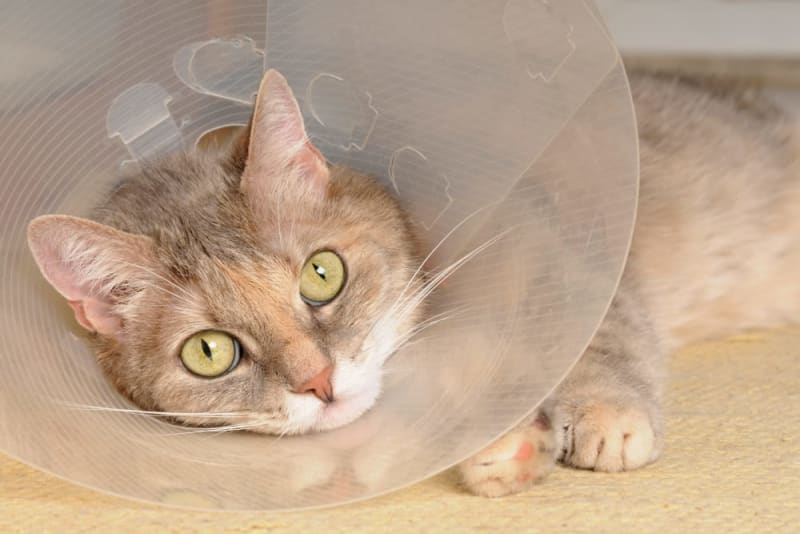
Cats naturally lick their wounds, which can introduce bacteria and delay healing. Use an Elizabethan collar (E-collar) or a protective bandage if needed.
6. Monitor the Healing Process
Check the wound daily for signs of infection, including:
- Swelling and redness
- Pus or foul-smelling discharge
- Heat around the wound
- Excessive pain or sensitivity
If any of these symptoms appear, contact your vet for professional wound care for cats.
When to Visit a Veterinarian
While minor wounds can be managed at home, you should see a vet if:
- The wound is large or deep.
- There is persistent bleeding.
- The wound is infected.
- Your cat is lethargic, feverish, or stops eating.
Tips to Prevent Future Wounds
- Keep Cats Indoors or Supervised – Reduces the risk of fights and outdoor dangers.
- Trim Nails Regularly – Prevents injuries from scratching.
- Maintain a Safe Environment – Remove sharp objects and hazardous materials from your home.
- Keep Vaccinations Up to Date – Helps prevent infections from bites and scratches.
Providing proper wound care for cats is key to ensuring their health and well-being. By following these steps, you can help your feline friend heal quickly and avoid complications. Always consult a veterinarian if you’re unsure about the severity of a wound or notice signs of infection.