
In modern manufacturing and distribution systems, Packing machines play a central role in making packaging operations faster, more accurate, and more cost-efficient. From food industries to pharmaceuticals and e-commerce, these machines have transformed how products are prepared for storage, shipping, and retail display. 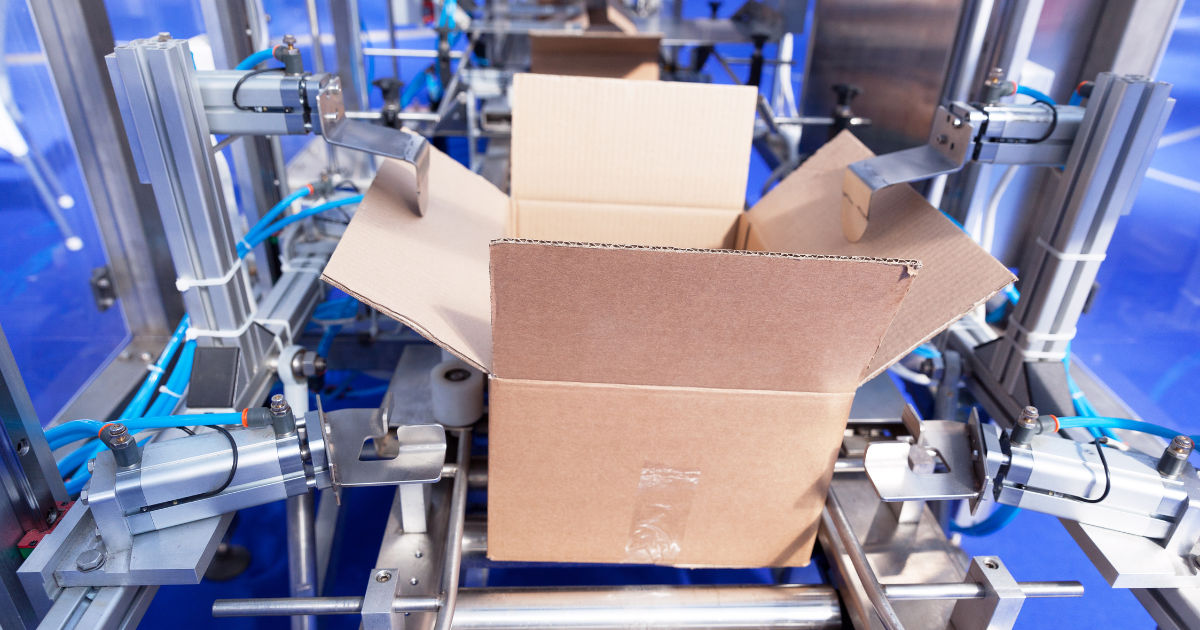
This guide explains in detail how Packing machines support packaging operations, why they are essential, and how they improve productivity, quality, and overall business performance. The goal is to make the topic easy to understand even for a 12th-grade reader while still covering all important industrial aspects.
Packaging Operations in Modern Industries
Packaging operations include all the steps involved in preparing a product for the market. This includes filling, sealing, labeling, wrapping, and boxing. In traditional systems, many of these tasks were done manually, which often led to inconsistencies and slower production rates.
Today, Packing machines have replaced most manual packaging tasks. These machines ensure that every product is packaged in a uniform way, reducing human error and improving efficiency. Whether it is liquid filling, powder packing, or carton sealing, Packing machines make the process smoother and more reliable.
Packaging operations are not just about appearance; they are also about protection, hygiene, and compliance with regulations. That is why Packing machines have become a necessity rather than a luxury in industrial production.
What Are Packing Machines?
Packing machines are mechanical or automated systems designed to package products efficiently. They can handle a wide range of materials, including food, chemicals, cosmetics, and industrial goods.
These machines can perform multiple functions such as:
- Filling products into containers or pouches
- Sealing packages to ensure safety
- Wrapping products for protection
- Labeling for identification and branding
The versatility of Packing machines makes them suitable for both small-scale businesses and large manufacturing plants. Some machines are semi-automatic, while others are fully automated and integrated into production lines.
By reducing manual labor, Packing machines help companies maintain consistent output and reduce operational errors.
The Role of Packing Machines in Efficiency Improvement
One of the biggest advantages of Packing machines is the improvement in efficiency. Manual packaging is time-consuming and often inconsistent. Machines, on the other hand, can operate continuously with minimal breaks.
In large production facilities, Packing machines can process thousands of units per hour. This level of speed is impossible to achieve with human labor alone.
Additionally, Packing machines reduce downtime caused by human fatigue. Workers may slow down over time, but machines maintain consistent performance throughout production cycles. This leads to higher productivity and better resource utilization.
Another important factor is precision. Packing machines ensure that each package contains the exact amount of product, reducing waste and improving customer satisfaction.
Types of Packing Machines Used in Industry
There are several types of Packing machines, each designed for specific applications. Understanding these types helps businesses choose the right solution for their needs.
Some common types include:
- Filling machines: Used for liquids, powders, and granules
- Sealing machines: Used to close bags, pouches, or containers
- Vacuum packing machines: Remove air to preserve product freshness
- Shrink wrapping machines: Use heat to tightly wrap products
- Carton packing machines: Pack items into boxes for shipping
Each type of Packing machines serves a unique purpose in the production line. Many industries use a combination of different machines to complete their packaging process efficiently.
For example, a food processing plant may use filling machines, sealing machines, and labeling machines together to ensure a complete packaging solution.
How Packing Machines Improve Product Quality
Product quality is a major concern in any industry, and Packing machines play an important role in maintaining it. Consistent packaging ensures that products remain safe, hygienic, and visually appealing.
Manual packaging often leads to variations in weight, sealing quality, and appearance. In contrast, Packing machines maintain uniformity across all units.
For food products, Packing machines help preserve freshness by reducing exposure to air and contaminants. For pharmaceuticals, they ensure proper dosage and secure sealing, which is critical for safety.
Even in cosmetic industries, Packing machines help maintain brand image by ensuring attractive and consistent packaging.
Automation and the Rise of Smart Packaging Systems
Automation has completely changed modern manufacturing, and Packing machines are at the center of this transformation. Many industries now use fully automated packaging lines that require minimal human intervention.
Modern Packing machines are often equipped with sensors, digital controls, and programmable settings. These features allow businesses to adjust packaging speed, size, and material usage easily.
Smart Packing machines can also detect errors such as incorrect sealing or missing labels. This reduces the risk of defective products reaching customers.
As automation continues to grow, Packing machines are becoming more intelligent, efficient, and adaptable to different production needs.
Cost Benefits of Using Packing Machines
Investing in Packing machines may seem expensive at first, but it provides long-term cost savings. Businesses save money in several ways:
- Reduced labor costs
- Lower material wastage
- Fewer packaging errors
- Increased production output
Because Packing machines improve speed and accuracy, companies can produce more products in less time. This increases profitability without increasing operational costs significantly.
Additionally, fewer errors mean less product return or rejection, which also saves money in the long run. Many industries consider Packing machines a critical investment for sustainable growth.
Role of Packing Machines in Different Industries
Packing machines are used across a wide range of industries, each benefiting in unique ways.
In the food industry, they ensure hygiene and extend shelf life. In pharmaceuticals, they maintain safety and regulatory compliance. In the chemical industry, they handle hazardous materials safely and efficiently.
E-commerce businesses also rely heavily on Packing machines for fast order fulfillment. With the rise of online shopping, packaging speed and accuracy have become more important than ever.
Even agriculture and textile industries use Packing machines to pack goods in bulk quantities for transportation and storage.
Challenges in Packaging Without Machines
Without Packing machines, industries face several challenges. Manual packaging is slow, inconsistent, and labor-intensive. It increases the risk of human error, which can affect product quality and safety.
Other common issues include uneven filling, poor sealing, and higher production costs. These problems can damage brand reputation and reduce customer trust.
In large-scale operations, relying only on manual labor is not practical. That is why Packing machines have become essential for competitive industries.
Technological Advancements in Packing Machines
Technology has significantly improved the performance of Packing machines over the years. Modern systems now include features like automation, AI integration, and real-time monitoring.
Some advanced Packing machines can adjust packaging settings automatically based on product type. Others can connect to centralized systems for better production tracking.
Energy-efficient designs also help reduce power consumption, making Packing machines more environmentally friendly.
These advancements ensure that Packing machines continue to evolve with industry demands.
Future of Packing Machines in Packaging Industry
The future of Packing machines looks highly advanced and technology-driven. With increasing demand for automation, these machines will become even more intelligent and efficient.
We can expect more AI-powered Packing machines that can self-correct errors and optimize performance automatically. Robotics will also play a bigger role in packaging systems.
Sustainability will be another key focus. Future Packing machines will likely support eco-friendly packaging materials and reduce waste further.
As industries continue to grow, Packing machines will remain a core part of packaging innovation.
Why Businesses Depend on Packing Machines Today
Modern businesses rely heavily on Packing machines to stay competitive. Speed, accuracy, and cost-efficiency are essential in today’s fast-moving markets.
Without Packing machines, it would be difficult for companies to meet large-scale demand or maintain consistent quality. These machines allow businesses to scale operations smoothly without compromising performance.
From small startups to large corporations, Packing machines provide the flexibility and reliability needed for success in packaging operations.
Conclusion
In conclusion, Packing machines are a vital part of modern packaging operations. They improve speed, accuracy, and consistency while reducing costs and labor requirements. From food and pharmaceuticals to e-commerce and manufacturing, Packing machines have transformed how industries handle packaging tasks.
Their role in automation, quality control, and efficiency makes them indispensable in today’s competitive market. As technology continues to advance, Packing machines will become even more intelligent, sustainable, and efficient.
Businesses that invest in Packing machines benefit from higher productivity, better product quality, and long-term cost savings. Ultimately, these machines are not just tools but essential systems that drive modern industrial success.