
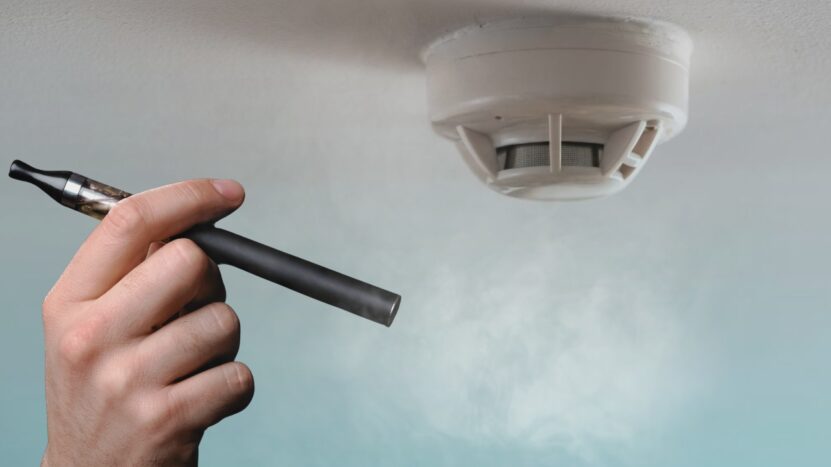
As vaping continues to rise among teenagers, many schools are implementing vape detector to help curb this maturation trend. For parents, sympathy what these devices are, how they work, and what implications they carry is crucial in navigating conversations about vaping and cultivate safety. Here s a elaborate look at what parents need to know about vape detectors in schools.
Why Are Vape Detectors Being Installed?
Vaping has become more and more popular among adolescents, often seen as a safer choice to smoke cigarettes. However, wellness experts warn that vaping carries significant risks, including habituation, lung issues, and to vesicatory chemicals. Schools face the challenge of protecting students from these dangers while enforcing policies that proscribe vaping on campus.
To turn to this, many schools are turning to vape detectors. These are premeditated to detect the front of vapour in areas like bathrooms, hallways, and classrooms. By alerting staff to vaping incidents in real-time, vape detectors aim to admonish students from using e-cigarettes on train yard.
How Do Vape Detectors Work?
Vape detectors use sensors to place chemicals typically found in e-cigarette vapor. When vapor is perceived, the device can send an alert to cultivate officials, often specifying the location of the vape optical phenomenon. Some systems integrate with existing security infrastructure, sanctionative faster responses.
It s epoch-making for parents to know that vape detectors do not record video recording or sound and do not get across someone students by name. Their sole work is to find vapour front, qualification them more of a refuge tool than a surveillance .
Benefits for Students and Schools
The primary quill advantage of vape detectors is their power to tighten vaping on campus, promoting a better environment for all students. By catching vaping early on, schools can step in before the demeanour becomes established or leads to more serious wellness problems.
Moreover, these help reward civilize policies systematically and within reason. Instead of relying solely on stave to students in the act, vape detectors cater objective lens data that can support trait sue or counselling efforts.
Privacy Concerns and How Schools Address Them
Despite their benefits, vape detectors raise privacy questions. Many parents vex about how invasive these might be, especially when installed in places like civilize bathrooms or footlocker rooms, which students consider common soldier.
Schools typically turn to these concerns by emphasizing that vape detectors do not tape or place individuals. The only find the front of vapor, not the person responsible. Additionally, many schools inform students and parents about the use of vape detectors as part of their to transparence and honor for concealment.
What Parents Can Do
Parents play a key role in helping their children understand the risks of vaping and the reasons behind vape detectors. Open conversations about wellness risks, peer coerce, and cultivate rules can help students make knowing choices.
It s also a good idea for parents to stay privy about their cultivate s policies regarding vaping and the use of vape detectors. Attending train meetings, recital newsletters, or reaching out to cultivate officials can cater worthy insights and opportunities to vocalize concerns or support.
Conclusion
Vape detectors in schools are part of a broader sweat to take on the vaping among teens. While these do as a utile tool in creating safer, better civilis environments, parents should sympathise how they work, their benefits, and any secrecy considerations involved.
By staying up on and communicating openly with their children and schools, parents can support efforts to reduce vaping while fostering swear and honor. In doing so, they help control that refuge measures protect students without compromising their feel of concealment and .