
Investing in heavy machinery is a significant financial commitment for businesses, particularly in industries such as construction, mining, manufacturing, and agriculture. These machines, which range from bulldozers and excavators to cranes and forklifts, play a pivotal role in operations, helping to increase efficiency and productivity. However, purchasing or leasing heavy machinery involves a range of costs beyond just the initial price tag. Businesses must carefully consider various financial aspects to ensure that the investment delivers long-term value and doesn't strain their budget. This article explores the key cost considerations businesses should factor in when investing in heavy machinery.
Initial Purchase Price and Financing Options
The most obvious cost consideration when investing in heavy machinery is the initial purchase price. Heavy equipment can be expensive, with prices ranging from a few thousand dollars for smaller machines to millions of dollars for large industrial machinery. Businesses must assess their financial capacity and determine how they will fund the purchase. Financing options such as loans, leasing, or installment payments are common ways to manage the upfront cost. Each option has its advantages and disadvantages, and companies should evaluate interest rates, repayment terms, and ownership benefits to determine the most cost-effective solution.
Depreciation and Resale Value
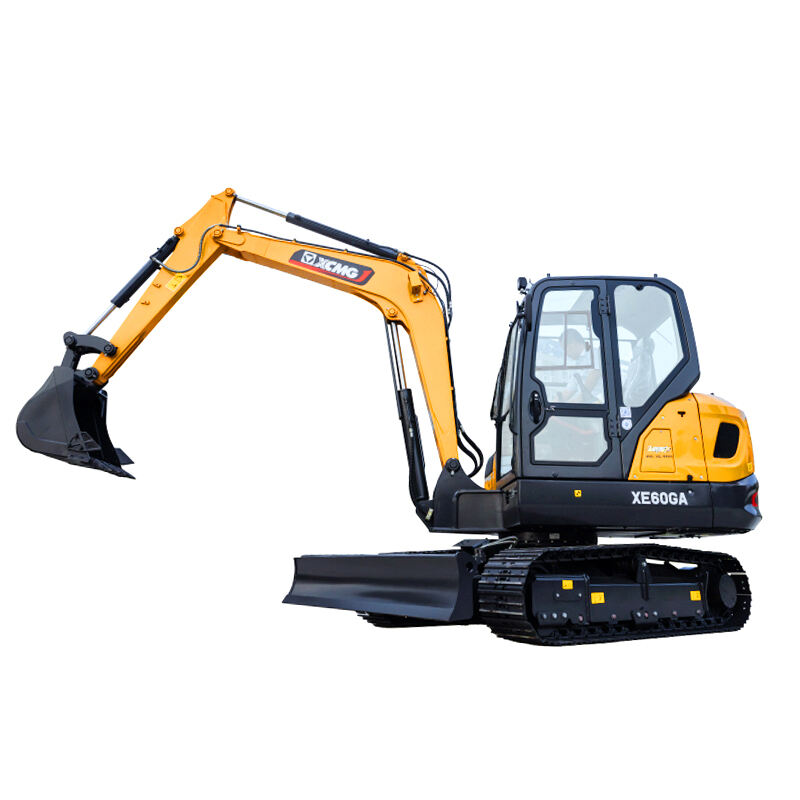
Excavator , like most assets, depreciates over time. The rate of depreciation can vary depending on the type of machinery, how frequently it is used, and how well it is maintained. Businesses must factor in depreciation when calculating the long-term costs of owning machinery. Additionally, understanding the machine's potential resale value is important. If the equipment will be sold after a few years of use, businesses should estimate its residual value to help assess the overall return on investment. Machines that retain their value better over time can provide a more favorable financial outcome.
Maintenance and Repairs
Maintenance is a crucial ongoing cost for heavy machinery. Regular servicing is essential to ensure the equipment operates efficiently and lasts for many years. Depending on the type of machinery, maintenance costs can vary significantly. Preventive maintenance, which includes oil changes, tire replacements, and system checks, can help avoid costly repairs in the future. However, even well-maintained equipment will inevitably require repairs, especially after heavy use. Businesses should allocate funds for routine maintenance as well as emergency repairs. It's advisable to purchase machinery from reputable brands that offer good warranty terms and readily available spare parts to reduce repair expenses.
Operational Costs
The operational costs of heavy machinery are another critical consideration. These costs include fuel, lubricants, and other consumables required for the equipment’s operation. Depending on the machinery’s fuel efficiency and the frequency of use, operational costs can be significant. Businesses must estimate how much fuel the equipment will consume during its typical workday or week and calculate the associated costs. For businesses in sectors with high fuel consumption, such as construction or mining, selecting energy-efficient machinery can help reduce long-term operational expenses.
Insurance and Taxes
Insurance is a necessary expense when investing in heavy machinery. These machines are vulnerable to accidents, theft, and damage, so businesses should insure their equipment against potential risks. The cost of insurance will depend on the value of the machinery, its use, and the level of coverage required. Additionally, businesses must consider property taxes, which may be levied on heavy equipment based on its assessed value. It's important to consult with an accountant or financial advisor to understand the tax implications of owning and operating heavy machinery.
Training and Labor Costs
Finally, businesses must consider the cost of training employees to operate heavy machinery safely and efficiently. Operator training is essential for minimizing the risk of accidents, increasing productivity, and complying with safety regulations. This can involve both initial training sessions and ongoing certifications. Labor costs may also increase if specialized operators are required to handle the equipment, adding another layer of expense to consider.
Conclusion
Investing in heavy machinery is a major decision that requires careful financial planning. Beyond the initial purchase price, businesses must account for ongoing costs such as depreciation, maintenance, operational expenses, insurance, taxes, and training. By thoroughly evaluating these costs and considering financing options, businesses can make informed decisions that ensure the machinery remains a valuable asset for years to come. With proper planning, heavy machinery can significantly enhance productivity, improve efficiency, and contribute to long-term success.