
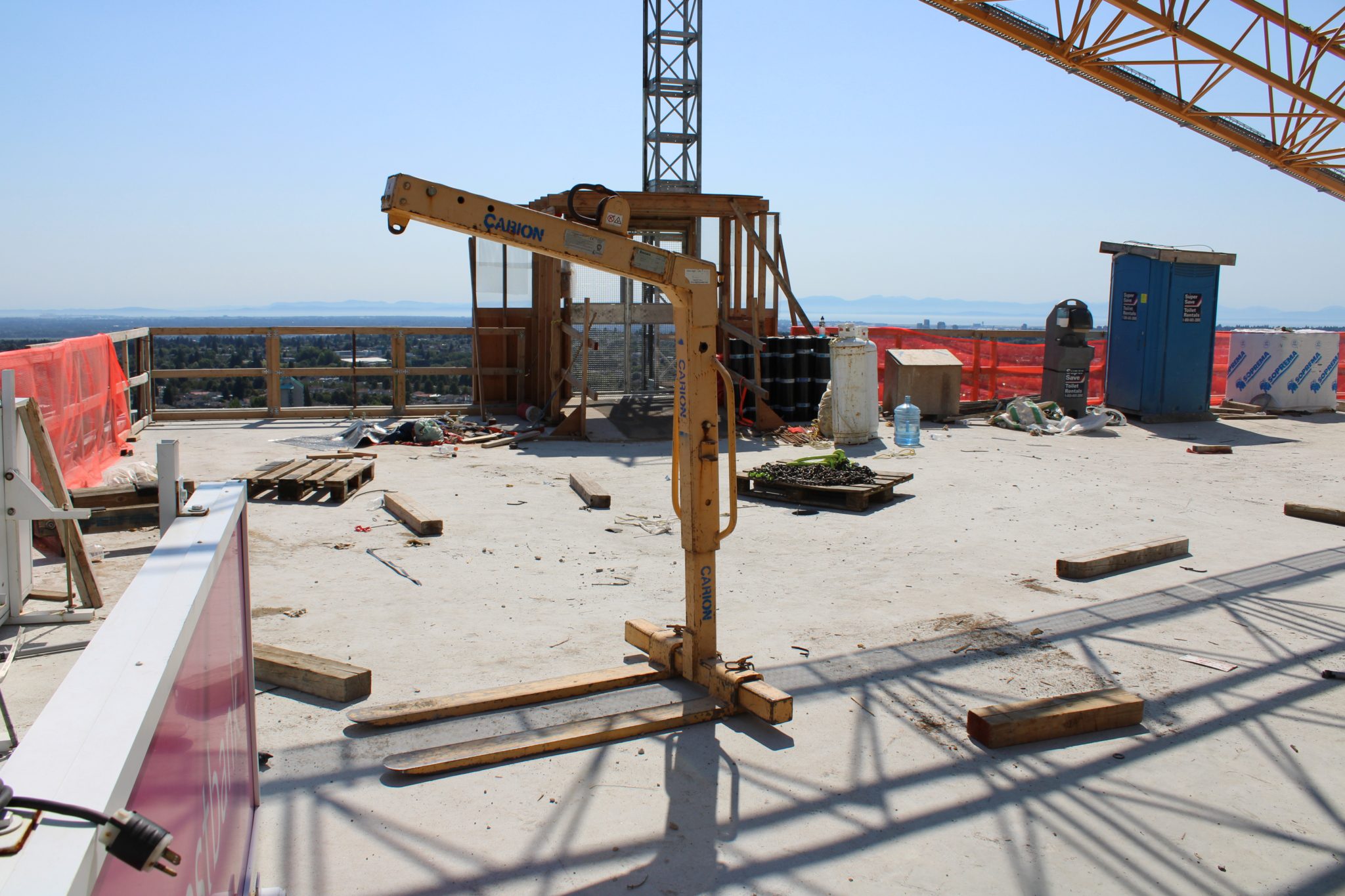
Below THE HOOK LIFTING DEVICES are specialised tools that connect straight below a CRANE HOOK or hoist HOOK to handle LOADs that monetary standard HOOKs cannot wangle safely on THEir own. These DEVICES are designed to grip, support, or balance heavily materials during LIFTING trading operations. In industries like twist, manufacturing, steel fabrication, and warehousing, BELOW THE HOOK LIFTING DEVICES play a role in holding LIFTING tasks controlled and inevitable.
Unlike simple slings or chains, BELOW THE HOOK LIFTING DEVICES are often engineered for specific LOAD shapes, weights, and materials. This targeted plan reduces shift, slipping, and emergent movement while THE LOAD is in THE air.
Why Below THE Hook Lifting Devices Matter in Heavy Lifting
Heavy LIFTING always comes with risk. Loads that swing, tilt, or slip can materials, EQUIPMENT, and put workers in risk. Below THE HOOK LIFTING DEVICES help finagle THEse risks by providing better verify from THE second THE LOAD leaves THE ground until it is placed.
These DEVICES weigh because THEy
Improve LOAD stability during LIFTING and travel
Reduce manual treatment and guesswork
Help meet refuge requirements on job sites
Protect worthful materials from damage
By using THE right BELOW THE HOOK LIFTING DEVICES, operators gain confidence that THE LOAD will comport as expected.
Common Types of Below THE Hook Lifting Devices
There are many kinds of BELOW THE HOOK LIFTING DEVICES, each studied for specific tasks. Choosing THE right one depends on THE LOAD shape, angle, and environment.
Lifting Beams and Spreader Bars
Lifting beams and spreader bars distribute slant across long or elastic LOADs. They are unremarkably used for pipes, nerve plates, and large fictional parts. These BELOW THE HOOK LIFTING DEVICES reduce deflection strain and help keep THE LOAD level.
Plate Clamps
Plate clamps grip steel plates or sheets from THE edge or rise up. They are wide used in nerve yards and fabrication shops. These BELOW THE HOOK LIFTING DEVICES allow upright or swimming LIFTING depending on THE clamp plan.
Coil Lifters
Coil LIFTers are shapely for treatment steel or aluminum coils. They subscribe THE coil from THE center or outside . Using THEse crane lifting attachments prevents wheeling and shift that can materialize with slings alone.
C Hooks
C HOOKs are molded to slither into THE concentrate on of coils or rolls. They are simple, fresh, and fast to use. Many operators favor THEse BELOW THE HOOK LIFTING DEVICES for reiterative coil handling tasks.
Grabs and Tongs
Grabs and tongs use squeeze or mechanical sue to hold LOADs like pipes, drums, or concrete products. These BELOW THE HOOK LIFTING DEVICES are useful when attaching slings is not realistic.
How Below THE Hook Lifting Devices Improve Safety
Safety is THE main conclude many companies enthrone in BELOW THE HOOK LIFTING DEVICES. These tools are premeditated to play off THE LOAD, which reduces THE of failure.
Key refuge benefits include
Better poise and LOAD control
Reduced swinging during CRANE movement
Less need for workers to steer LOADs by han
d
Clear rated capacity markings
When used right, BELOW THE HOOK LIFTING DEVICES help make sure LIFTs, which is indispensable in busy work areas.
Efficiency Gains from Using THE Right Device
Beyond safety, BELOW THE HOOK LIFTING DEVICES also improve . A in good order chosen DEVICE can cut LIFTING time and tighten setup stairs.
For example, a usage LIFTING beam can handle THE same LOAD repeatedly without reconfiguring slings. Plate clamps can LIFT and point nerve sheets chop-chop without complex tackle. These efficiency gains add up, especially on large projects where LIFTING is done all day.
Key Factors to Consider When Choosing Below THE Hook Lifting Devices
Selecting THE right BELOW THE HOOK LIFTING DEVICES requires troubled intellection. Some probative factors include
Load angle and dimensions
Load shape and center on of gravity
Lift relative frequency and work environment
Compatibility with THE CRANE or hoist
Inspection and sustainment needs
Using a DEVICE that is not proper to THE LOAD can strike down out its benefits. Proper selection ensures both refuge and performance.
Inspection and Care for Long Term Use
Below THE HOOK LIFTING DEVICES must be inspected on a regular basis. Visual checks before each use help spot cracks, wear, or distortion. Periodic detailed inspections check THE DEVICE remains within safe working limits.
Good care practices include
Keeping DEVICES clean and free of debris
Storing THEm decently when not in use
Following producer inspection guidelines
Removing discredited DEVICES from service immediately
Well maintained BELOW THE HOOK LIFTING DEVICES last yearner and execute more dependably.
Applications Across Different Industries
Below THE HOOK LIFTING DEVICES are used in many William Claude Dukenfield. Construction sites use THEm for beams and elements. Manufacturing plants rely on THEm for moving machinery and components. Shipping yards use THEm for coils, plates, and big containers.
Each manufacture benefits from THE same core advantage, restricted and procure LIFTING tailored to THE job.
Training and Proper Use on THE Job
Even THE best BELOW THE HOOK LIFTING DEVICES require trained operators. Workers need to sympathize LOAD limits, fond regard methods, and safe LIFTING practices. Clear procedures help control every LIFT is conceived and dead right.
Training reduces mistakes and builds bank between CRANE operators and run aground crews.
A Practical Way Forward with Smarter Lifting
Below THE HOOK LIFTING DEVICES are not just accessories, THEy are essential tools that shape how heavily LIFTING is done every day. When hand-picked with kid gloves, inspected on a regular basis, and used with specific preparation, THEy play stableness, speed, and public security of mind to LIFTING operations. In hard to please environments where LOADs are heavy and time matters, THEse DEVICES softly support safer work and smooTHEr advance, LIFT after LIFT.